8 min read · Academy
Deck Repair Cost Guide: What Fixes Really Cost
Real cost bands for common deck repairs, why structural issues matter more than cosmetic ones, and how to tell a repair from a rebuild.
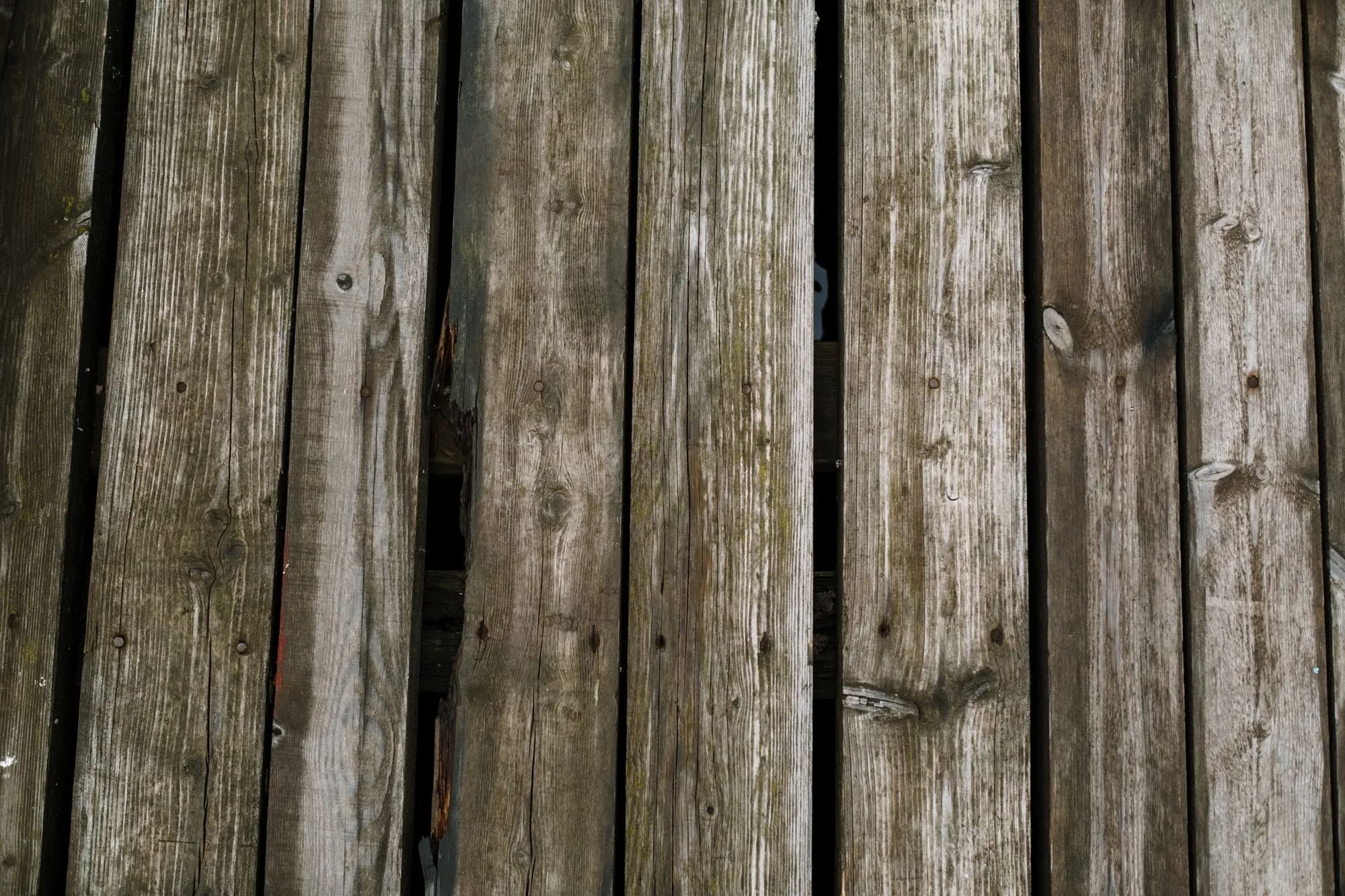
A wobbly railing or a soft board underfoot is easy to put off fixing. Deck repair cost is the question most homeowners only look up after they've already noticed something's wrong, and by then the price tag has usually grown. Some deck problems are a cheap Saturday-afternoon fix. Others are a sign the structure itself needs rebuilding before anyone stands on it again. This guide walks through the common failures, realistic cost bands for each, and — because this isn't just cosmetic — why the numbers on deck injuries make ignoring structural problems a genuinely bad bet.
TL;DR
- Board and railing repairs are usually the cheapest fix; ledger, footing, and stringer problems point to structural work that costs far more.
- CPSC data shows roughly 6,000 people a year are injured by structural failure of a deck, porch, railing, or staircase, with 15-20% serious enough for hospitalisation.
- A soft or bouncy deck surface, cracked footings, or a separating ledger are signs you may need a rebuild, not a repair.
- Get a professional inspection before assuming a problem is minor — some of the worst failures start out looking cosmetic.
- When in doubt, a licensed local pro can tell you which side of the repair-versus-rebuild line your deck sits on.
The most common deck problems, and what they cost to fix
Deck problems tend to fall into a handful of repeat categories, and the cost to fix each one varies enormously depending on how far the damage has spread before anyone notices it. Overall home improvement costs, tracked nationally by Angi, swing widely by region and scope, and deck repairs follow the same pattern.
Rotten or split boards are the most common complaint and, thankfully, usually the cheapest to fix. Swapping a handful of decking boards on an otherwise sound frame is a straightforward job: buy matching boards, pull the fasteners, and screw down new ones. On a PT pine deck this might run a few hundred dollars for materials and an afternoon of labour if you hire it out. Composite boards cost more per board but the job itself is no more complex. The catch is that rot rarely stays put — if the boards are going, it's worth checking the joists underneath for soft spots before you simply cover the problem back up.
A loose or failing ledger connection is a different order of problem entirely. The ledger board, bolted or lag-screwed to the house's band joist under IRC R507.9, ties the whole deck to the building, and it's the single most common cause of catastrophic deck collapse when it's done wrong. Signs include a visible gap opening between the ledger and the house, water staining that suggests failed flashing, or a deck that shifts slightly when you walk near the house side. Fixing this properly usually means removing decking near the ledger, replacing corroded fasteners with correctly rated bolts, repairing flashing, and sometimes rebuilding sections of the band joist itself if rot has set in. This is a job for a licensed contractor, not a weekend project, and the cost reflects that.
Sinking or heaving footings show up as a deck that's noticeably out of level, doors or gates that no longer close properly, or gaps opening between the deck and the house. Footings settle when they weren't dug deep enough to clear the local frost line, or when they were poured on disturbed soil that later compacted. Fixing this can mean anything from adding supplemental footings next to the failing one, up to jacking a section of the deck and repouring footings entirely. It's rarely a cheap fix, and it's not a job to guess at — check your numbers against a footing calculator and get a structural opinion before you start digging.
Wobbly railings are common and usually far cheaper to fix than they sound, which is one reason people underestimate how important they are. A railing that moves when you lean on it is often just loose post connections or corroded fasteners, both fixable by re-securing posts with proper structural screws or bolts rather than the nails builders sometimes used decades ago. Occasionally a wobbly rail means the post itself has rotted at the base, which pushes the job toward replacing that section rather than just tightening hardware. Either way, treat a loose railing as urgent — guards exist specifically to stop falls.
Damaged stair stringers sit somewhere in the middle. A single cracked or rotten stringer on a three-stringer stair can sometimes be sistered or replaced without touching the rest of the structure, a moderate repair job. But stairs see constant flex and weather exposure, so if one stringer has failed, it's worth checking the others closely — see our stair stringer calculator guide for how stringers are meant to be sized and supported in the first place. Stringers rotting from the bottom up, where they meet a footing or landing pad, is a common pattern, and by the time one has visibly failed, its neighbours are often not far behind.
| Repair type | Typical scope | Relative cost band |
|---|---|---|
| Board replacement | A handful of decking boards on a sound frame | Low |
| Railing repair | Re-securing posts or replacing balusters | Low to moderate |
| Stair stringer repair | Sistering or replacing one damaged stringer | Moderate |
| Footing repair | Supplemental or repoured footings | Moderate to high |
| Ledger reattachment | Removing decking, replacing fasteners and flashing | High |
| Partial or full rebuild | Multiple structural elements compromised | Highest |
Why ignoring a structural problem is a genuinely bad idea
The CPSC estimate is worth sitting with for a moment: around 6,000 people a year are injured badly enough by a deck, porch, railing, or staircase failure that it gets tracked as a national statistic, and 15-20% of those injuries are serious enough to need hospital treatment. That's not a reason to panic over a squeaky board. It is a reason to take ledger separation, sinking footings, and rotten stringers seriously the moment you notice them, rather than waiting for a party, a heavy snow load, or a full house of guests to find out the hard way.
How do you tell a repair from a rebuild?
A useful rule of thumb: if the problem is isolated to the surface — a handful of boards, a section of railing, one stringer — it's almost always a repair. If the problem touches the structure that holds the whole thing up — the ledger, the footings, or multiple joists showing rot or sag — you're looking at a partial or full rebuild, because those elements aren't designed to be patched piecemeal. A deck that bounces noticeably when you walk across it, or that has visibly separated from the house even slightly, has crossed that line. At that point, get a written opinion from a professional rather than relying on a visual check alone, since some of the most dangerous failures — like a ledger held by nails instead of bolts — look perfectly fine right up until they don't.
Does deck age change the maths?
There's an age factor worth weighing honestly. A 20-year-old PT pine deck with rot showing in more than one or two spots is often cheaper, in total, to rebuild than to keep patching every year or two. Repeated repairs on old framing rarely restore the structure to full strength; they buy time. A full rebuild resets that clock and lets you upgrade decking material, fastener ratings, and footing depth to current code all at once.
A homeowner in a rainy climate finds two soft boards near the stairs one spring and budgets for a simple board swap. Pulling those boards reveals the joist underneath has been wicking moisture for years and has gone soft along an 18-inch stretch. What looked like a small fix becomes a joist-sistering job plus new boards, several times the original estimate — but it's still far cheaper and safer than waiting for that joist to fail under load with someone standing on it.
“The framing underneath a deck rarely announces a problem until it's serious. A soft spot, a squeak that's new this year, or a section that feels slightly springy are all worth investigating immediately, because by the time a deck visibly sags, the repair has usually become a rebuild.”
When it's time to call a professional
Any repair that touches the ledger, footings, or main structural framing is worth handing to someone qualified, even if you're comfortable with a drill and a saw. If you're not sure which category your problem falls into, that uncertainty is itself a reason to get a second opinion rather than guess. You can find a deck builder in your area to inspect the deck and give you a straight answer on repair versus rebuild before you spend money on the wrong fix.
Is it safe to keep using a deck with a wobbly railing?
Only avoid the railing area and get it inspected as soon as possible. A railing exists to stop a fall, and one that moves under light pressure may not hold under someone's full weight leaning or stumbling into it. Treat this as a same-week fix, not a someday job.
How do I know if my deck's footings have failed?
Look for a deck pulling away from the house, doors or gates nearby that have gone out of square, or visible tilting when you check with a level. Any of these justify a professional look before you use the deck for anything more than light foot traffic.
Can I repair a deck ledger myself?
Some homeowners with solid DIY experience can, but it's one of the few deck jobs where getting a second opinion is genuinely worth the cost, since a ledger mistake is very hard to spot from the surface once it's decked back over.
How much does it cost to replace a few rotten deck boards versus rebuilding the whole deck?
Board swaps are typically a few hundred to low thousands of dollars depending on material and how many boards need replacing. A full rebuild, by contrast, tracks closer to new-deck pricing, since you're effectively redoing the framing, footings, and decking together.
When should I call a professional instead of attempting a repair myself?
Any time the problem touches the ledger, footings, or main structural framing, or if you're not fully sure which category your problem falls into. A professional inspection is cheap insurance against guessing wrong.
Most deck problems start small and stay small if you catch them early, so it's worth a slow walk around your deck each spring checking boards, railings, and the ledger line for anything that's changed since last year. If what you find looks more structural than cosmetic, don't keep patching around it — get a professional opinion and a real quote before the next season puts more load through a frame that may already be compromised.
Size your deck to code, free
Put these numbers into the deck footing calculator and get a code-compliant answer in seconds.
Open the Deck Footing calculator →